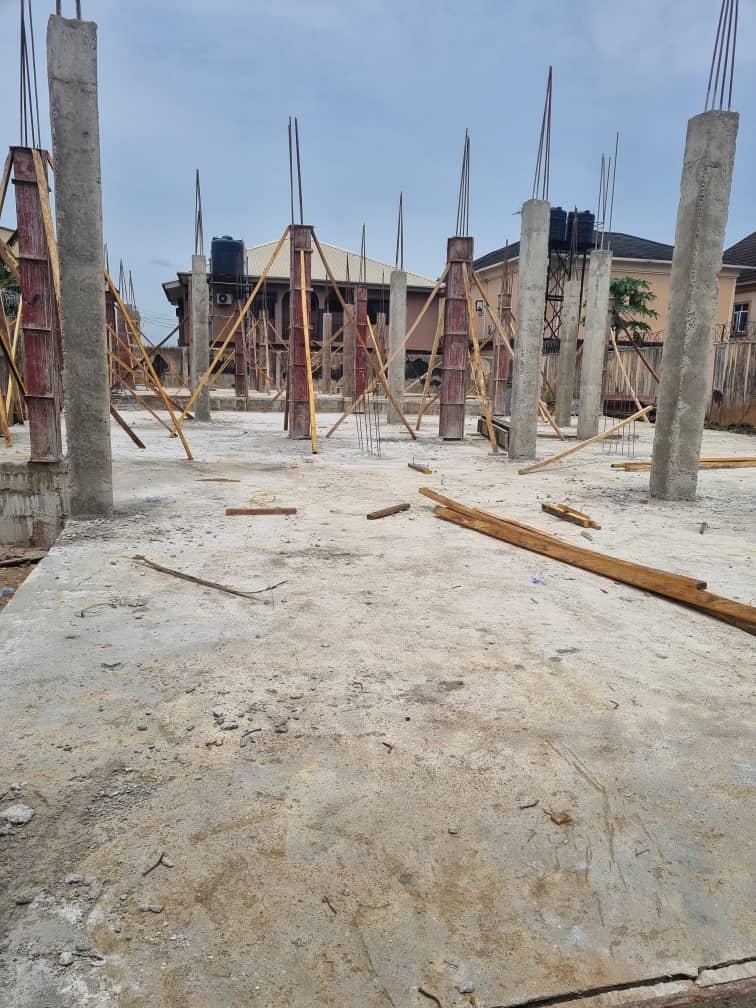
Every safe and durable building begins with a sound structural design. Although architectural features and interior finishes often attract the most attention, the structural elements of a building determine how it carries loads and responds to forces throughout its service life.
Structural engineering is therefore a fundamental part of successful construction, helping to protect occupants, preserve property value, and support the long-term performance of buildings and infrastructure.
What Is Structural Engineering?
Structural engineering is a specialised field of civil engineering concerned with the analysis, design, and assessment of structures. These structures include residential buildings, commercial complexes, bridges, industrial facilities, and other infrastructure.
Structural engineers evaluate the loads a structure must withstand and determine suitable structural systems, materials, dimensions, and connections to meet applicable design requirements.
1. Building Strength and Stability
A building must safely transfer its loads through its structural components to the foundation and supporting ground. Structural engineering helps ensure that elements such as beams, columns, slabs, foundations, and connections work together as intended.
Appropriate design reduces the risk of excessive movement, structural distress, and failure.
2. Proper Foundation Design
The foundation provides the connection between a building and the ground beneath it. Its design depends on factors such as soil conditions, groundwater, structural loads, and the characteristics of the site.
Geotechnical investigations and appropriate engineering assessments help determine a suitable foundation system for the project.
3. Material Selection and Quality Control
Concrete, steel, masonry, and other construction materials must be selected and used according to the project's specifications and applicable standards.
Proper workmanship, material testing where required, and construction inspections help verify that the completed work meets the necessary quality requirements.
4. Compliance With Building Standards
Buildings should be designed and constructed in accordance with applicable building regulations, engineering standards, approved drawings, and relevant safety requirements.
Qualified professionals play an important role in ensuring that structural decisions are supported by sound engineering calculations and appropriate technical documentation.
5. Long-Term Durability and Maintenance
Structural safety does not end when construction is completed. Environmental exposure, water penetration, corrosion, overloading, and inadequate maintenance can affect a building's condition over time.
Regular inspections and prompt professional assessment of visible cracks, unusual deformation, or other signs of distress can help identify problems before they become more serious.
Conclusion
Structural engineering is essential to creating buildings that are safe, stable, functional, and durable. From foundation design to material selection and construction supervision, professional engineering input supports better decisions at every stage of a project.
At Dels & Binary Properties Company, our commitment to engineering excellence reflects the importance of technical expertise, quality workmanship, and responsible construction practices.
Building safely starts with planning correctly. Contact Dels & Binary Properties Company to discuss your engineering and construction consultancy requirements.